

Alexander Brunner, President of Home of Blockchain.swiss, and author of the Swiss Digital Asset Custody Report 2023 has kept a close eye on developments. “Since 2018 the regulator and the government have been providing guardrails and clarification while having an ongoing dialogue with the industry,” he says. “In 2018, for example, the Swiss regulator published ICO guidelines with a token-classification. Today, Switzerland has become a “Crypto Nation” with a wide range of regulated institutions, from universal banks to private banks, startups, wallet providers, and exchanges.”
Meanwhile Markus Dinkelmann, Business Analyst, Asset Management Association Switzerland, adds, “In general, the government and regulators have been proactive from the beginning. One of the results so far is a “blockchain cluster” spreading through Switzerland and its financial centres with the “Crypto Valley” in Zug, which can be labelled as the most mature global blockchain hub.”
Institutional attitudes to cryptocurrencies and Digital Assets
Cryptocurrency regulation varies worldwide, but it’s safe to say that most regulators have adopted a neutral to negative attitude towards it. One reason for this caution was that crypto began as a retail trend, one that was opaque and littered with fraud.
However, since 2020, institutional demand has risen and is driving bank offerings. “More and more institutions are starting to see the potential to tap into this market,” Dinkelmann says.
“Mostly we see Private Banks offering crypto investments to their clients. In the beginning, it was for smaller banks to offer crypto products and services to their clients such as offering corporate accounts to blockchain companies.”
He notes that the degree of involvement and discussion around industry structure is growing. “In the past twelve months, the Asset Management Association Switzerland was joined by several institutions active in the crypto space such as Crypto Finance Group, 21shares, and L1 Digital,” he says.
Brunner highlights the variety of banks and services connected to the Digital Asset industry. “…from large universal banks such as Credit Suisse to cantonal banks such as Luzerner and Berner Kantonalbank,” he says, “to private banks such as Julius Bär, online banks like Swissquote, and pure crypto banks such as Sygnum….”
And where is most demand coming from? “The growth has very much been driven by institutional demand from family offices,” Brunner says. “Wealth managers and high-net individuals who expect the same institutional-grade services in Digital Assets as in traditional banking.”
Institution-like expectations have led to product development that closely tracks the traditional financial industry. When asked what kinds of Digital Asset services and products banks are offering, Brunner says, “The focus has been on providing “bankable” services and products that can be bought by bank clients.”
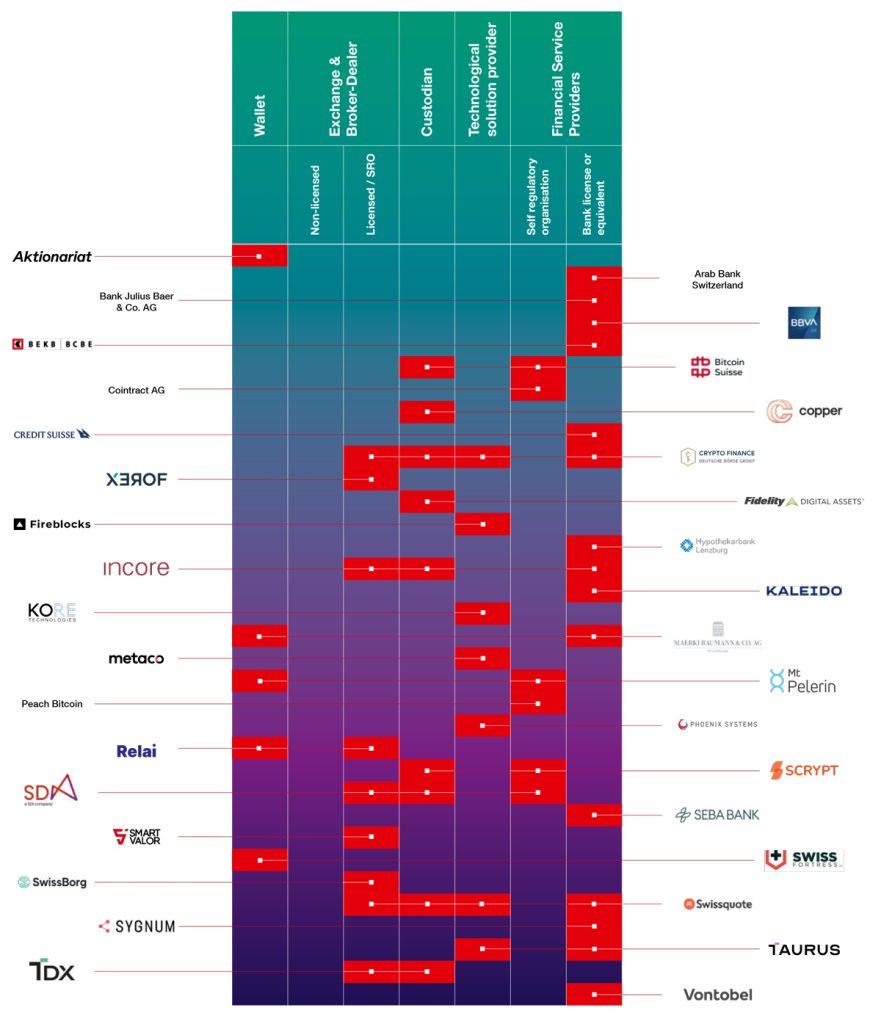
“The Swiss ecosystem map charts the breadth of financial services from custody to advisory, trading, and brokerage to a host of service providers. This ecosystem has been catering to both retail as well as institutional clients with investment products such as ETPs to digital bonds.”

“Today, Switzerland has become a “Crypto Nation” with a wide range of regulated institutions, from universal banks to private banks, startups, wallet providers, and exchanges.”
Alexander Brunner
Dinkelmann and Brunner list custody services, trading, fund investment, listed ETPs, and staking offerings as examples of a few services institutions currently offer clients. Custody, especially Brunner notes, is where the Swiss system has a leg-up compared to the rest of the world.
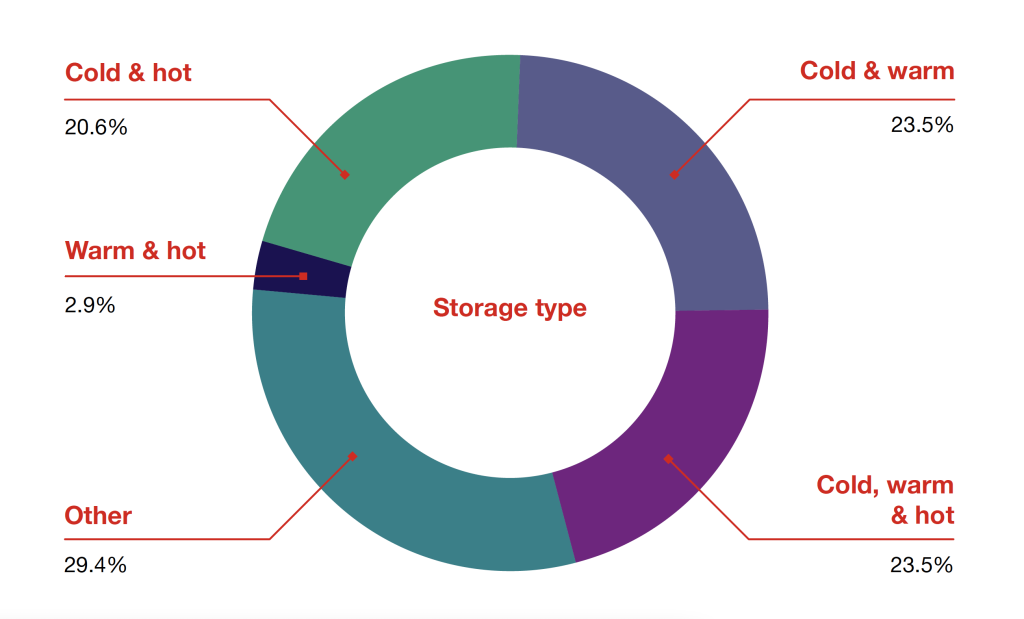
“Switzerland has a world-leading Digital Asset custody offering that ranges from simple wallets to highly secure bank-grade custody solutions,” he says. “It is also worth highlighting that 15 out of the 34 custody providers are highly-regulated banks with highly secure solutions for retail as well as institutional clients. Keeping Digital Assets safe is a natural extension of Switzerland’s long history of safekeeping valuables for a global clientele.”
Addressing the FTX and Celsius collapses
The crypto industry faced its first Black Swan event with the collapse of the exchange FTX (with its sister company Alameda Research) and crypto lender Celsius. The market turned bearish since, with these events proving a litmus test for regulatory frameworks.
Dinkelmann explains that the Swiss ecosystem experienced an initial shock. “The collapses certainly had some impact on investor confidence with a decline in demand,” he says. “This impacted trading volumes and revenues in the crypto space. Also, funding of new or existing blockchain and crypto companies was somewhat impacted.”
However, the net result was positive since investors are more cautious now and can evaluate risks better. Brunner echoes Dinkelmann’s views. “The Swiss ecosystem has successfully passed the FTX-stress test due to its robust and regulated nature,” he says. “The strength of Swiss regulatory oversight and robust custody solutions have shown their merit in times of heightened market turbulence and outright fraud.”
He cautions that despite these positives, challenging conditions in the crypto market are affecting investment flows. “Heightened volatility with strong price movements have made institutional investors more cautious, impacting demand during the current “crypto winter”.
Still, these crises highlighted the impact of a tight regulatory regime. “The FTX fraud and the resulting losses for investors highlighted the utmost importance of an institutional-grade custody setup for Digital Assets” Brunner continues. “Safekeeping private keys while ensuring functionality and ease of use has proven to be quite challenging.”
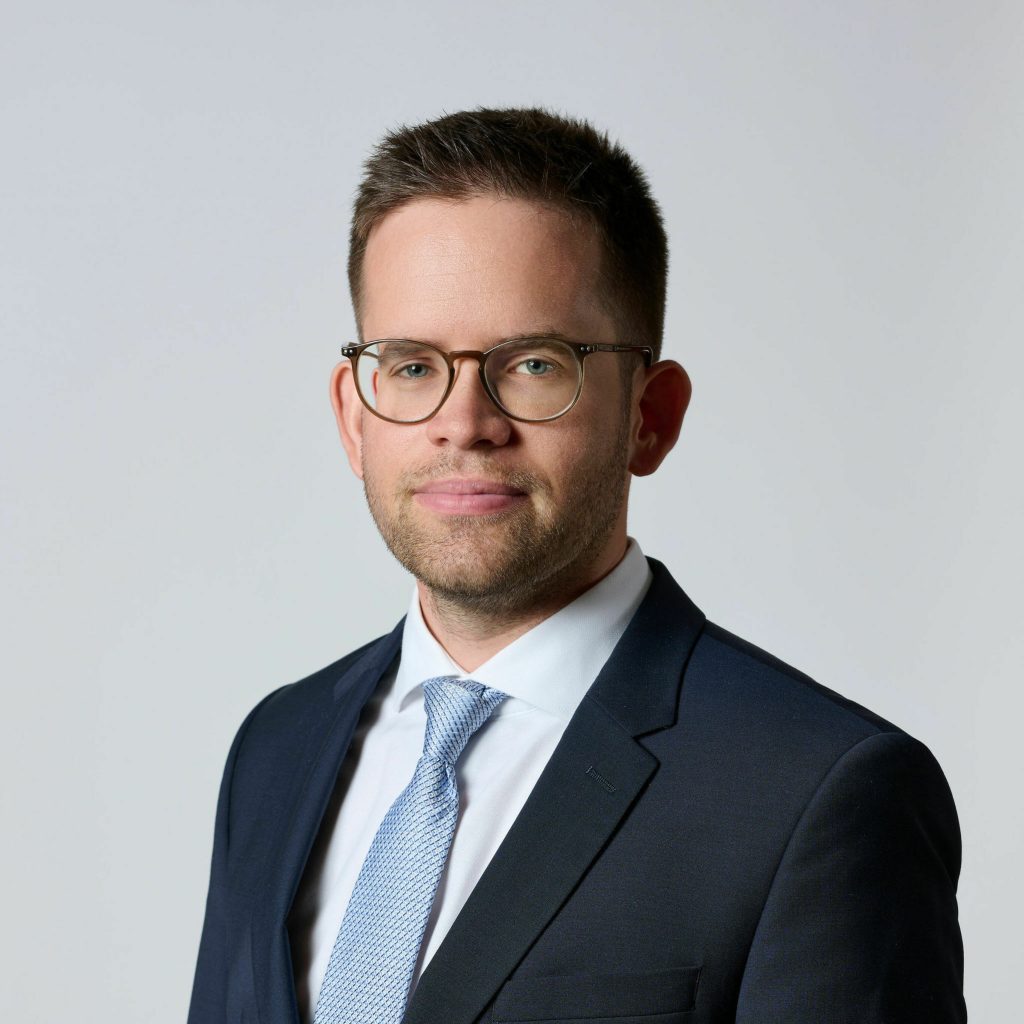
“In general, the government and regulators have been proactive from the beginning”
Markus Dinkelmann
He points out that Switzerland’s regulatory framework offered a huge advantage in meeting this challenge. According to Home of Blockchain.swiss’ Swiss Digital Asset Custody Report 2023, 80% of Digital Asset service providers are licensed and regulated. There’s depth in offerings too, with services ranging from wallets to institutional-grade custody solutions.
Further evolution
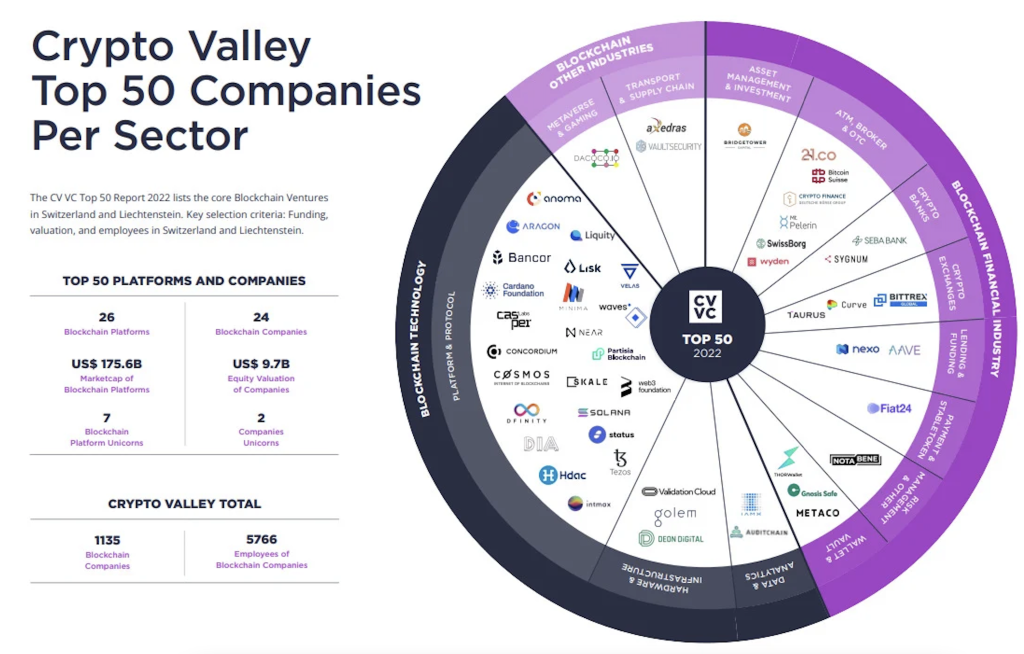
Switzerland is an exciting place for blockchain, DLT, and crypto service providers. From Crypto Valley (see inset) to the canton of Zug being heralded by Coindesk as the world’s foremost crypto hub, Dinkelmann lists a few exciting developments.
services across the entire spectrum.
“Former Federal Councilor Ueli Maurer launched the “Home of Blockchain.swiss” initiative,” he says. “This aims to make Switzerland the leading blockchain hub and build the most advanced institutional ecosystem for Digital Assets here-something AMAS supports ardently.”
“Also, the cantonal government of Zug is to contribute 39.35 million Swiss francs to the “Blockchain Zug – Joint Research Initiative” of the University of Lucerne and Lucerne University of Applied Sciences and Arts.”
In Brunner’s opinion, the grassroots-level support crypto has received sets Switzerland apart from other notable blockchain-positive jurisdictions like Singapore and Dubai.
“Switzerland never had a top-down government strategy but an open and pragmatic regulator and administration with several ministers supporting the industry,” he says. “So far, this has been a clear strength as ideas have been tested and developed across Switzerland.”
“Today,” he continues, “a range of pioneering projects, from the digital bond by the City of Lugano to the upcoming CBDC project by the Swiss National Bank, make Switzerland a clear leader in the Digital Asset finance space. The attractiveness of Switzerland can also be seen in the international entities setting up shop in Switzerland: from Spain’s BBVA bank to Laser Digital by Nomura to Layer 1 blockchain protocols such as Cardano, nChain, and Dfinitiy.”
Given its remarkable growth, Switzerland is a poster-child of responsible DLT regulation and innovation. As Brunner says, its unique slow-and-steady approach has and is set to pay massive dividends.
Crypto Valley continues to grow
Crypto Valley, a region encompassing the Swiss canton of Zug and parts of Liechtenstein, has roots going back to 2013. The region, already a hub for commodities trading and pharmaceuticals, witnessed Bitcoin Suisse set up operations in 2013. Since then, every successive wave of crypto innovation has boosted the region’s growth. These days, Crypto Valley is the home of several innovative Defi and crypto startups catering to retail and institutional investors. The breadth of services on offer is impressive, with providers offering everything from wallets to institutional-level custodial services.
Notably, Crypto Finance’s solution to cover execution or “gas” fees for institutions underwent a successful test with BBVA Switzerland. Sygnum, a crypto-first bank, announced its foray into the Metaverse. Custodial services provider Metaco added global Tier 1 banks to its client roster.
With more banks like Credit Suisse and Julius Bär offering crypto-based services, service providers providing institutions an entry into Web3 are growing. Bridgetower Capital is one example. The firm helps institutions digitise their assets by migrating them onto secure blockchains. The company uses its proprietary ERC-115p standard to ensure regulatory compliance with custodial and storage solutions.
The presence of innovative solutions like these has prompted the likes of BBVA (Spain) and Layer Digital (by Nomura) to set up shop in the region. Institutions are also taking a stake in Crypto Valley innovation. In February 2023, Credit Suisse led a $65 million Series B funding round for Taurus, a Digital Asset operations startup.
The platform helps institutions book, manage, and trade Digital Assets and works with 25 institutions worldwide. Deutsche Bank was another notable participant in this funding round, validating the growth prospects of companies in this region.
With family offices clamouring to add Digital Assets to client portfolios, swift onboarding and product diversity is driving demand. SEBA Bank has benefited from this rise, standing out from the crowd, thanks to its Crypto Valley reputation and tight protocols. The bank currently works only with institutional asset managers and accredited investors.
These developments are occurring despite the broad Crypto Winter in full force. Bank Frick, the Liechtenstein-based private bank that offered cryptocurrency trading and custody services in 2018, reported increased profits in its latest annual report. Greater interest in decentralised solutions like crypto and DLT services was the primary driver of these profits, per the bank’s report. The growth has been strong enough for the bank to set up blockchain banking as a separate service pillar and begin offering innovative services. Aside from custody and staking solutions, the bank also develops crypto structuring solutions for intermediaries.
Crypto Valley is also extending its sphere of influence through strategic partnerships. The Crypto Valley Association last year partnered with Dubai’s Crypto Oasis to boost blockchain and crypto development in both regions. This partnership is in line with the trend of Zug-based companies expanding into Dubai after receiving institutional funding.
The future is undoubtedly bright for Crypto Valley, and as innovation accelerates, institutions can expect more novel solutions than ever before.